
Heavy Equipment Maintenance in Abu Dhabi: A Complete Guide
Heavy equipment is essential to construction, industrial, infrastructure, oilfield, and other demanding operations across Abu Dhabi and the UAE. Excavators, wheel loaders, bulldozers, motor graders, backhoe loaders, forklifts, cranes, generators, diesel engines, hydraulic power packs, and other machinery often operate under heavy loads and demanding site conditions.
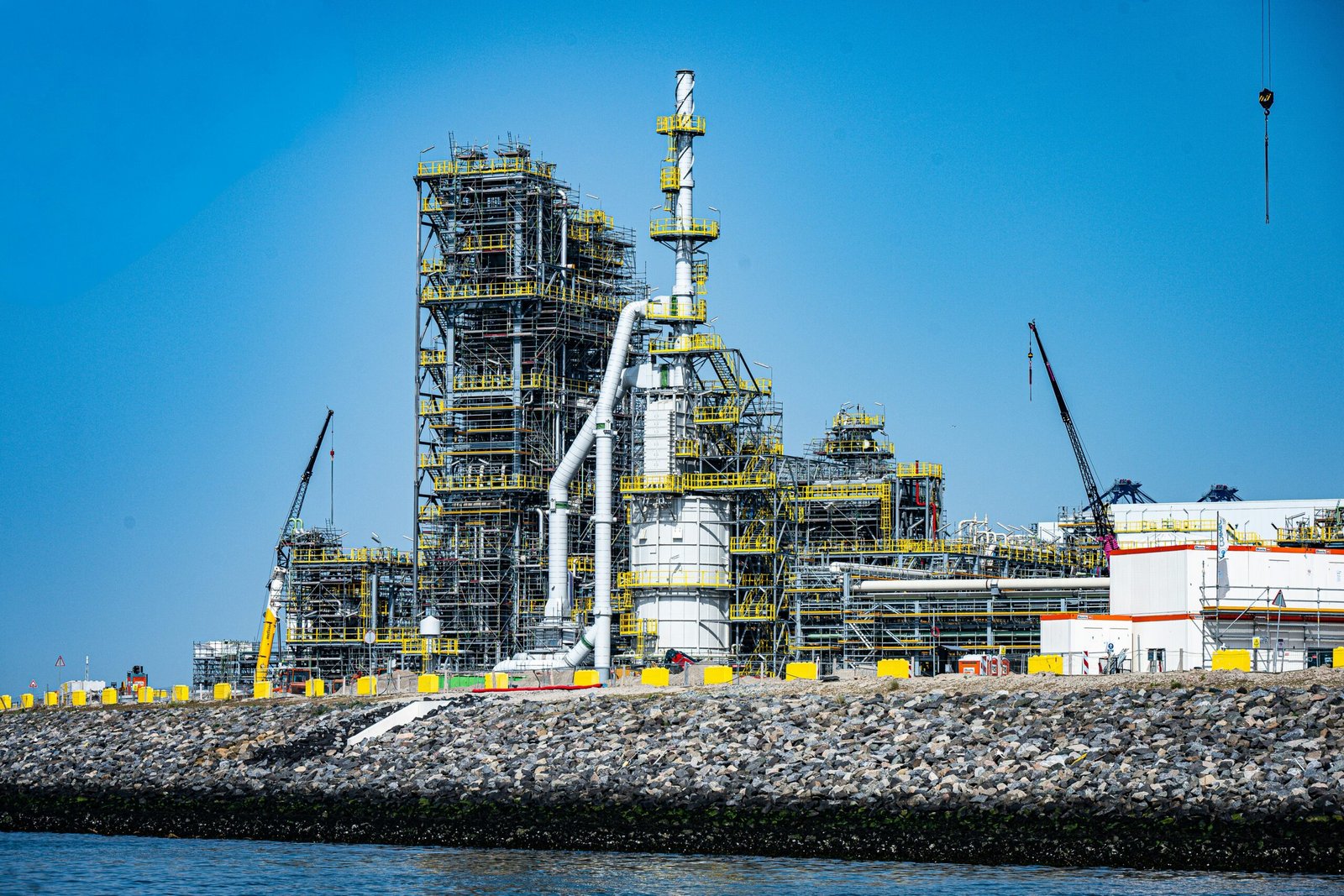
- When this equipment is not maintained properly, relatively small issues can develop into major mechanical, hydraulic, electrical, or engine failures.
- A structured heavy equipment maintenance program helps identify developing problems early, maintain equipment performance, reduce unexpected downtime, and extend the service life of critical machinery.
- At Al Baraka Machinery Maintenance L.L.C., we provide mechanical, electrical, hydraulic, diesel engine, equipment repair, preventive maintenance, and overhaul support for heavy and industrial equipment in Abu Dhabi.
01/
Why Heavy Equipment Maintenance Matters
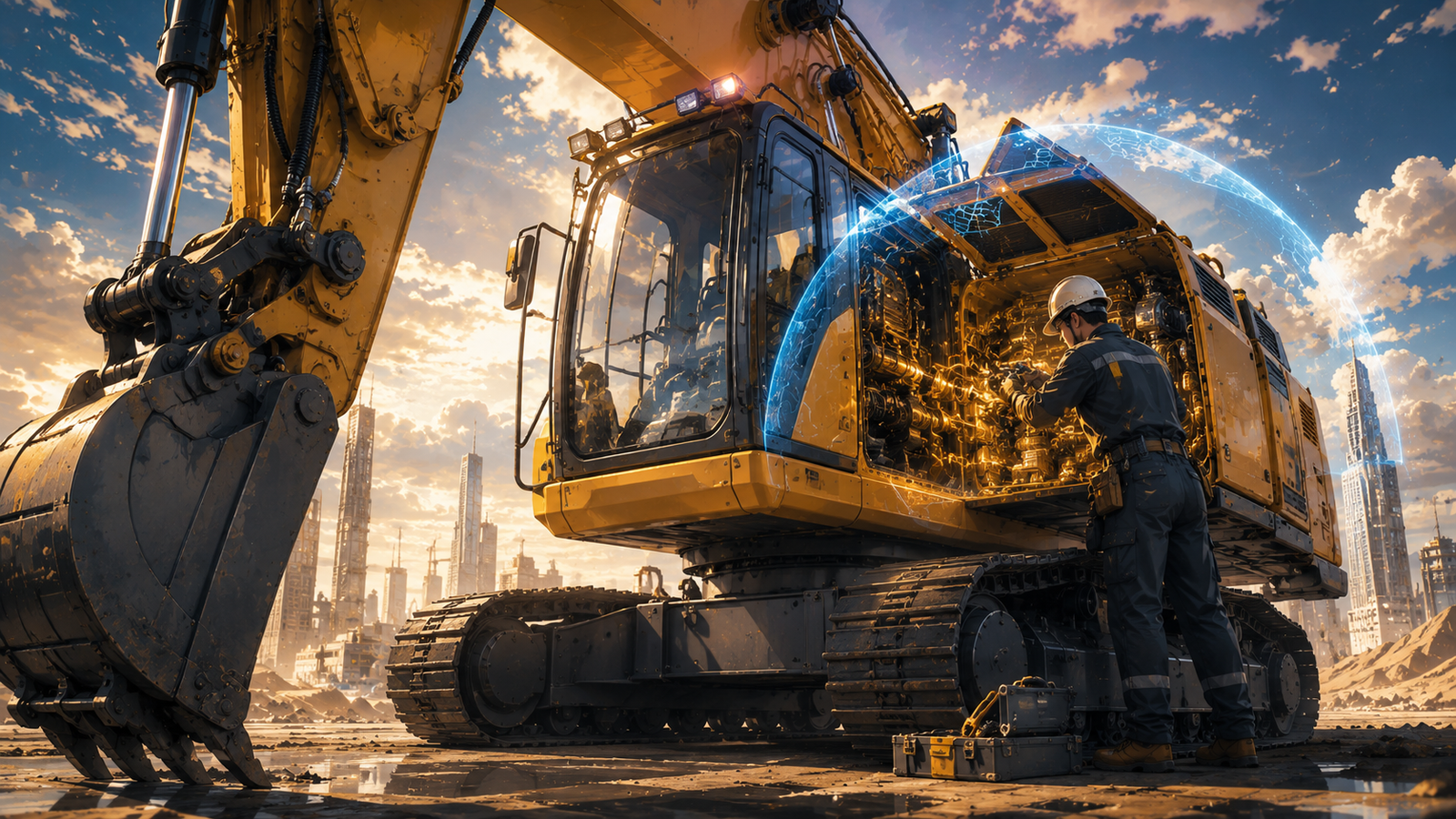
Heavy machinery is designed to operate under demanding conditions, but even well-built equipment requires regular inspection and maintenance.
Continuous operation can place significant stress on:
- Diesel engines
- Hydraulic systems
- Transmission systems
- Cooling systems
- Electrical and starting systems
- Braking systems
- Steering systems
- Undercarriage components
- Bearings and rotating components
- Pumps and motors
- Hoses and fittings
- Structural and mechanical components
Without appropriate maintenance, wear and developing faults can eventually affect equipment availability and operating performance.
The objective of maintenance is therefore not simply to repair equipment after it fails. A properly structured maintenance approach focuses on detecting problems before they become major failures.
02/
Common heavy Equipment Maintenance problems
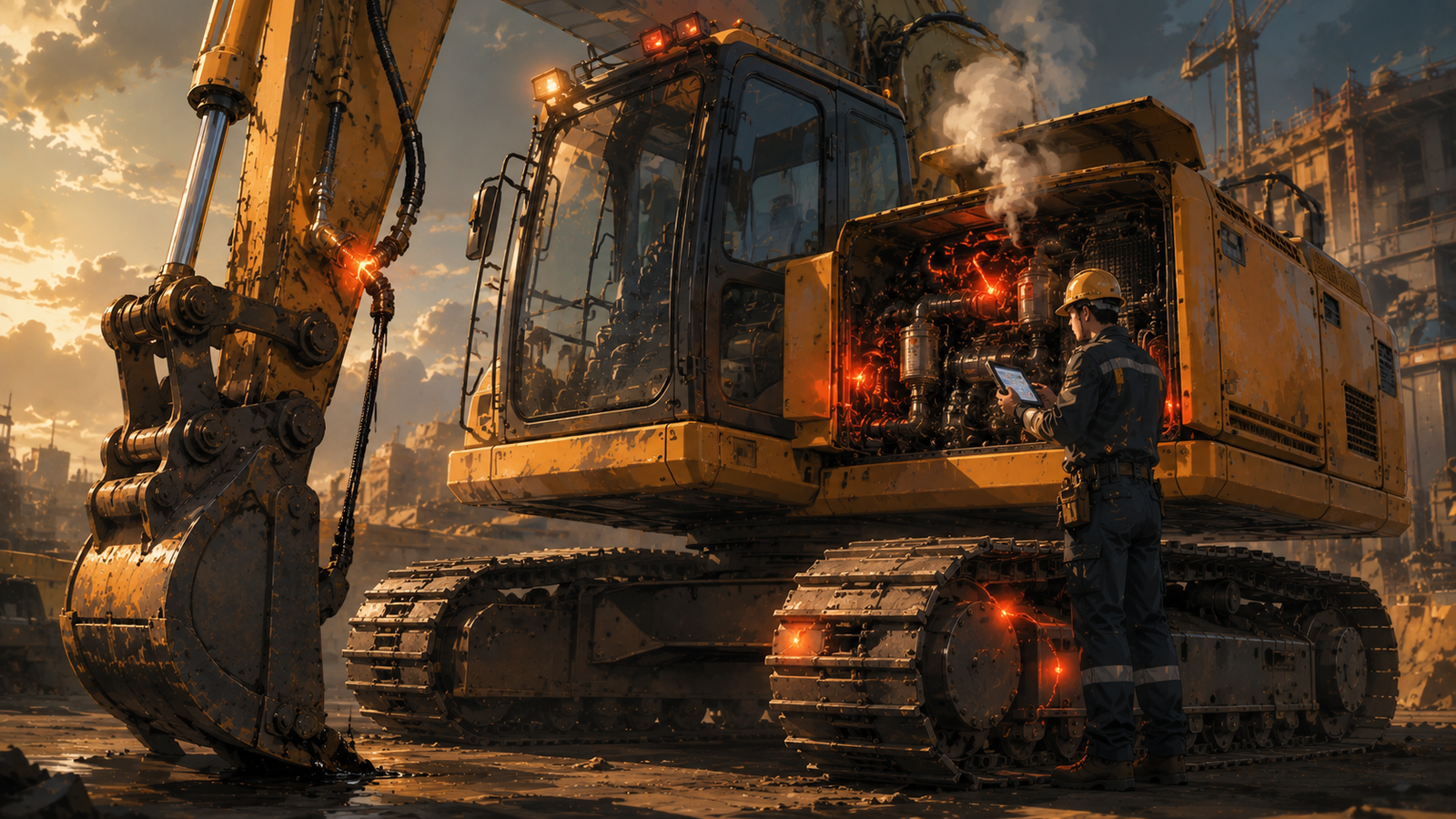
Different machines develop different faults depending on their design, operating environment, workload, age, and maintenance history.
Some of the most common problems include:
- Engine Performance Problems
Diesel engines may experience:
- Difficult starting
- Loss of power
- Excessive smoke
- High operating temperature
- Unusual engine noise
- Excessive fuel consumption
- Oil or coolant leakage
- Poor acceleration
These symptoms can originate from several systems, including fuel delivery, air intake, lubrication, cooling, electrical starting, or internal engine components.
Proper diagnosis is important before replacing components because the visible symptom may not identify the actual root cause.
- Hydraulic System Problems
Hydraulic systems are critical to excavators, loaders, cranes, forklifts, power packs, and many other types of equipment.
Common hydraulic problems include:
- Slow hydraulic movement
- Weak lifting performance
- Hydraulic oil leakage
- Excessive hydraulic temperature
- Abnormal pump noise
- Unstable hydraulic pressure
- Cylinders drifting under load
- Hydraulic functions becoming intermittent
Hydraulic faults can involve pumps, motors, cylinders, valves, hoses, fittings, filters, reservoirs, or contaminated hydraulic oil.
A systematic inspection and pressure testing process can help determine where the problem originates.
- Electrical and Starting Faults
Electrical problems can prevent machinery from starting or cause intermittent operational failures.
Typical issues include:
- Battery failure
- Starter motor problems
- Alternator faults
- Damaged wiring
- Loose electrical connections
- Blown fuses
- Faulty sensors
- Charging-system problems
- Control-system faults
Electrical troubleshooting should begin with systematic testing rather than simply replacing the battery or starter.
- Cooling System Problems
Electrical problems can prevent machinery from starting or cause intermittent operational failures.
Typical issues include:
- Battery failure
- Starter motor problems
- Alternator faults
- Damaged wiring
- Loose electrical connections
- Blown fuses
- Faulty sensors
- Charging-system problems
- Control-system faults
Electrical troubleshooting should begin with systematic testing rather than simply replacing the battery or starter.
- Mechanical Wear
Mechanical components naturally wear over time.
Depending on the equipment, maintenance may involve inspection of:
- Bearings
- Bushes
- Shafts
- Couplings
- Belts
- Chains
- Gears
- Pins
- Hydraulic cylinders
- Drive components
- Undercarriage components
Identifying excessive wear early can prevent secondary damage to surrounding components.
03/
Preventive Maintenance Vs. Breakdown Repair
One of the most important decisions for equipment owners and operators is whether maintenance is performed proactively or only after equipment failure.
Breakdown Maintenance
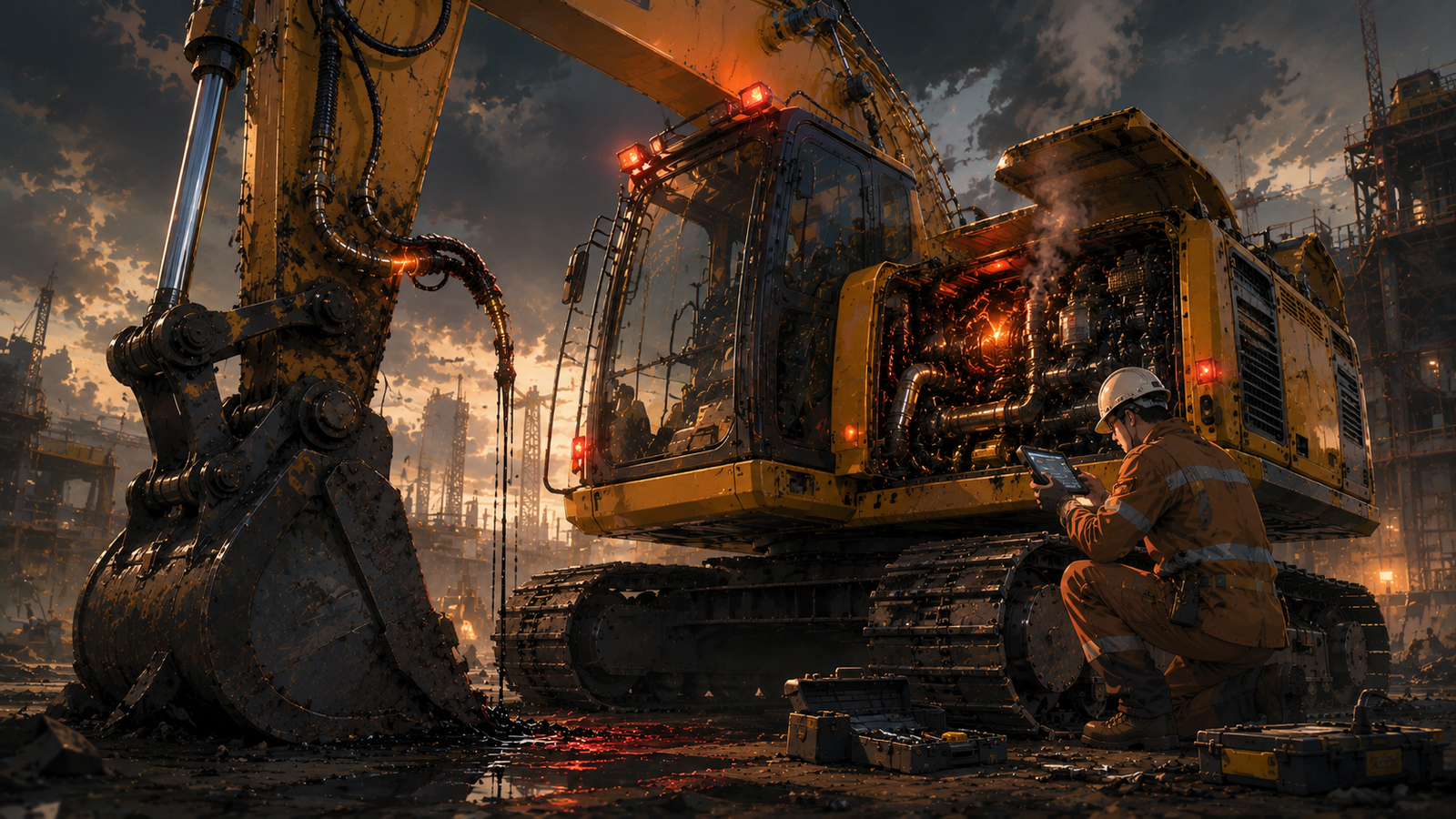
Breakdown maintenance occurs after equipment develops a significant fault or stops operating.
For Example:
Excavator stops working → equipment is inspected → fault is diagnosed → parts are repaired/replaced → machine returns to service.
This approach may be unavoidable for unexpected failures, but relying exclusively on breakdown maintenance can result in:
- Unplanned downtime
- Emergency repair costs
- Production delays
- Parts availability problems
- Secondary component damage
- Difficult scheduling
Preventive Maintenance
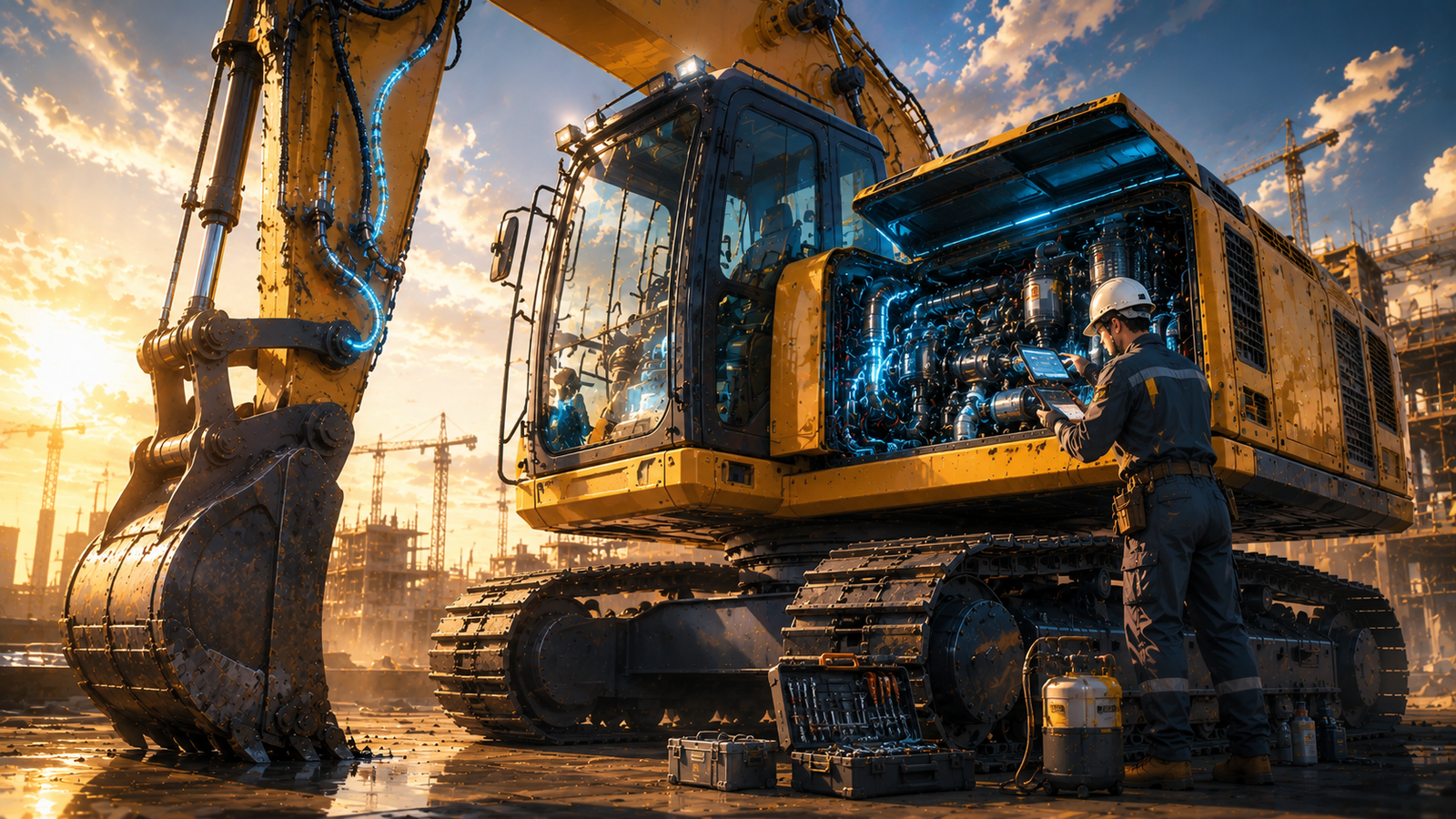
Preventive maintenance is performed according to an established maintenance schedule.
It can include:
- Routine inspection
- Lubrication
- Fluid and filter checks
- Hydraulic inspection
- Battery and electrical checks
- Cooling-system inspection
- Belt and hose inspection
- Fastener checks
- Wear-component inspection
- Operational testing
The exact maintenance interval should be determined according to the equipment manufacturer’s recommendations, operating conditions, hours of operation, equipment condition, and maintenance history.
The goal is straightforward: Identify developing problems before they become equipment-stopping failures.
04/
What Should A Heavy Equipment Maintenance Program Include?
A practical maintenance program should cover more than just oil changes.
- Equipment Inspection
Regular inspections can identify visible and developing problems such as:
- Fluid leaks
- Damaged hoses
- Loose connections
- Cracks
- Excessive wear
- Abnormal noise
- Damaged belts
- Corrosion
- Hydraulic leaks
- Electrical damage
Inspection findings should be documented so that changes in equipment condition can be tracked over time.
- Lubrication and Fluid Checks
Lubrication is critical for components that operate under friction and load.
Maintenance teams should monitor appropriate:
- Engine oil
- Hydraulic oil
- Transmission fluid
- Coolant
- Grease
- Other manufacturer-specified fluids
Using the correct fluid and maintaining appropriate levels can help protect components from excessive wear and overheating.
- Hydraulic System Inspection
For hydraulic equipment, maintenance should include inspection of:
- Hydraulic oil condition
- Filters
- Hoses
- Fittings
- Cylinders
- Pumps
- Motors
- Control valves
- Hydraulic pressure
- Oil temperature
A small hydraulic leak should not automatically be treated as a minor issue. Loss of hydraulic oil can affect system performance and potentially lead to component damage.
- Diesel Engine Inspection
Diesel-powered machinery should receive systematic engine inspections covering relevant systems such as:
- Fuel
- Air intake
- Lubrication
- Cooling
- Exhaust
- Starting
- Charging
- Engine controls
When performance problems appear, diagnosis should focus on identifying the underlying cause rather than treating only the symptom.
- Electrical System Checks
Electrical inspections can include:
- Battery condition
- Battery terminals
- Starter operation
- Charging voltage
- Alternator performance
- Wiring
- Fuses
- Sensors
- Electrical connections
- Control circuits
Electrical faults can sometimes appear intermittently, making systematic diagnosis particularly important.
05/
Heavy Equipment Maintenance in Abu Dhabi Conditions
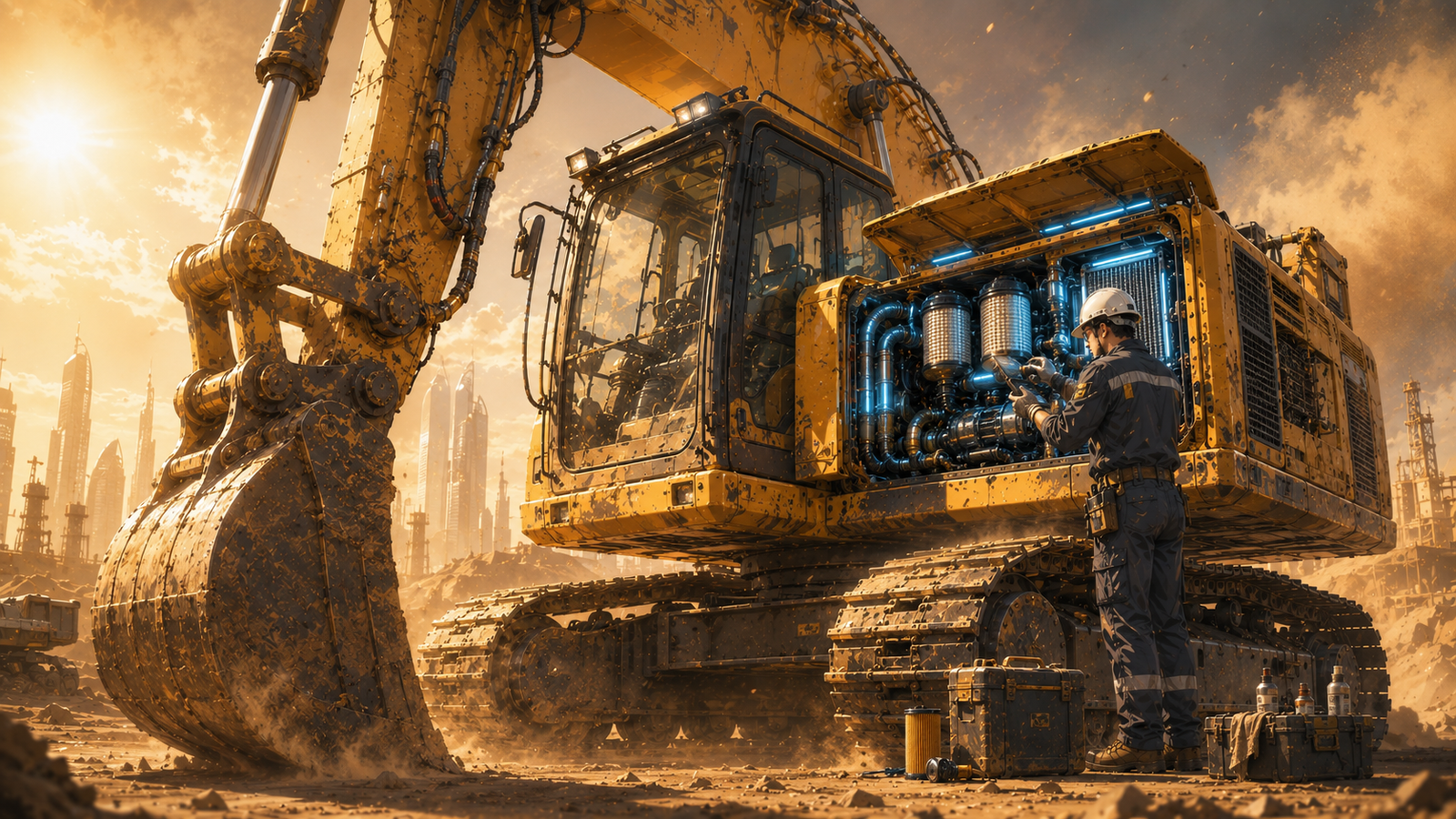
- Equipment operating in Abu Dhabi and throughout the UAE can be exposed to demanding environmental and operating conditions.
- Dust, high ambient temperatures, continuous operation, heavy workloads, and challenging site environments can place additional demands on machinery.
- For example, dust accumulation can affect components and cooling-system performance, while high operating temperatures can increase the importance of maintaining appropriate cooling and lubrication systems.
- However, maintenance intervals should not simply be shortened based on assumptions about climate. Equipment manufacturers’ recommendations and the actual operating environment should be considered when developing the maintenance schedule.
06/
When Should Heavy Equipment Be Inspected?
There is no single maintenance interval that applies to every machine.
A suitable maintenance schedule should consider:
- Equipment type:
- An excavator, generator, crane, forklift, and diesel engine have different maintenance requirements.
- Operating hours:
- Equipment operating for long periods or high numbers of operating hours may require more frequent inspection.
- Workload:
- Heavy-duty or high-load applications can increase component wear.
- Operating environment:
- Dust, heat, moisture, confined environments, and other site conditions can affect equipment condition.
- Equipment age:
- Older machinery may require more frequent inspection of wear-prone components.
- Manufacturer recommendations:
- OEM maintenance schedules should form the foundation of the maintenance program.
- Previous maintenance history:
- Recurring failures can indicate an underlying problem that requires deeper diagnosis rather than repeated component replacement.
07/
Signs that heavy Equipment Needs professional Inspection
Operators should not ignore changes in equipment behavior.
Important warning signs include:
- Unusual noises
- Excessive vibration
- Reduced engine power
- Difficult starting
- Hydraulic functions becoming slow
- Hydraulic oil leakage
- Engine overheating
- Excessive exhaust smoke
- Warning lights or fault codes
- Unusual fuel consumption
- Repeated electrical failures
- Abnormal oil consumption
- Loss of hydraulic pressure
- Reduced lifting or operating capacity
A machine does not necessarily need a major repair simply because one of these symptoms appears.
However, early diagnosis can help determine whether the problem is minor, developing, or indicative of a larger component failure.
08/
When Does Equipment Need An overhaul?
Not every performance problem requires an overhaul.
An overhaul may become appropriate when inspection and diagnosis indicate significant wear or deterioration of major components.
Depending on the equipment, an overhaul may involve components such as:
- Diesel engines
- Hydraulic pumps
- Hydraulic motors
- Gearboxes
- Transmissions
- Cylinders
- Rotating assemblies
- Other major mechanical systems
The decision should be based on inspection findings, measurements, operating symptoms, component condition, and technical diagnosis.
This is important because replacing or rebuilding major components without determining the underlying cause can result in recurring failures.
09/
Why Proper Diagnosis Matters
One of the most important parts of machinery maintenance is identifying the root cause of a failure.
For example, if a hydraulic cylinder is moving slowly, simply replacing the cylinder may not solve the problem.
The underlying issue could involve:
- Hydraulic pump performance
- System pressure
- Control valve operation
- Hydraulic oil condition
- Filter restriction
- Hose restriction
- Internal leakage
- Cylinder condition
Similarly, an engine that is difficult to start could have an issue involving the battery, starter, fuel system, air intake, electrical controls, or other components.
Good maintenance starts with accurate diagnosis.
10/
Heavy Equipment Maintenance Checklist
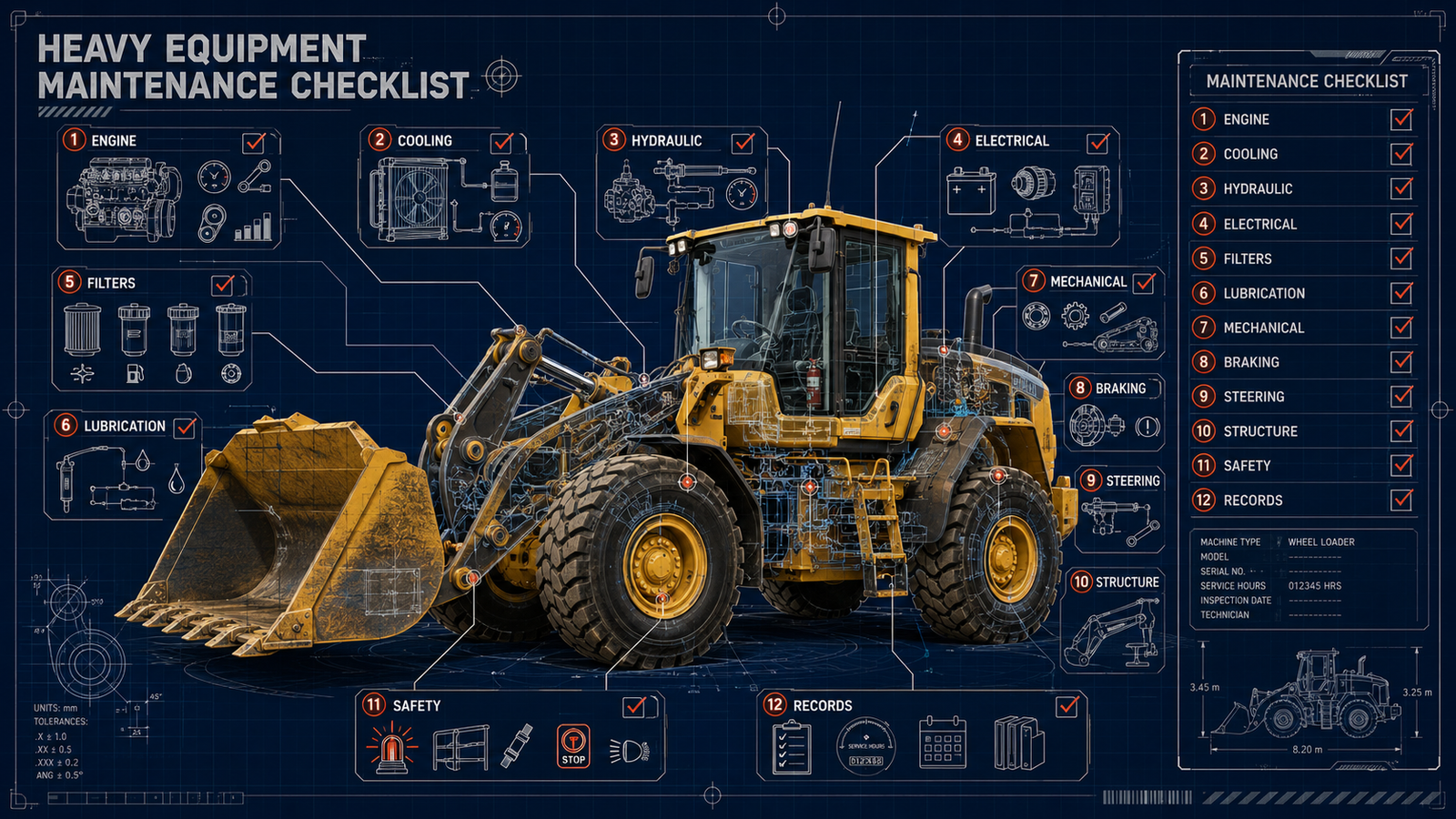
A basic maintenance checklist can help operators identify developing problems.
| Inspection Area | What to Check |
|---|---|
| Engine | Oil level, leaks, noise, smoke, performance |
| Cooling | Coolant level, radiator, hoses, temperature |
| Hydraulic | Oil level, leaks, hoses, pressure, performance |
| Electrical | Battery, starter, alternator, wiring |
| Filters | Condition and replacement interval |
| Lubrication | Grease points and lubrication condition |
| Mechanical | Wear, looseness, vibration, abnormal noise |
| Braking | Operation and visible wear |
| Steering | Steering response and hydraulic/mechanical condition |
| Structure | Cracks, damage, corrosion and loose components |
| Safety | Guards, alarms, lights and relevant safety systems |
| Records | Maintenance history and recurring faults |
This checklist is a starting point. The actual inspection procedure should be adapted to the specific equipment and manufacturer’s maintenance requirements.
11/
How Al Baraka Machinery Maintenance Can Help
Al Baraka Machinery Maintenance L.L.C. provides maintenance and repair support for heavy and industrial equipment in Abu Dhabi.
Our equipment-related services include support for:
- Excavators
- Wheel loaders
- Bulldozers
- Motor graders
- Backhoe loaders
- Forklifts
- Cranes
- Winches
- Generators
- Diesel engines
- Hydraulic power packs
- Oilfield support equipment
Our maintenance approach focuses on inspection, technical diagnosis, repair, preventive maintenance, and equipment reliability.
Where appropriate, equipment can be assessed to determine the condition of relevant mechanical, hydraulic, electrical, or engine systems before the repair scope is established.
12/
Final thoughts
Heavy equipment maintenance should not be viewed simply as an expense incurred when machinery breaks down.
A properly structured maintenance program can help equipment owners and operators:
- Identify problems earlier
- Reduce unexpected downtime
- Improve equipment reliability
- Manage maintenance requirements
- Protect major components
- Extend equipment service life
- Make repair decisions based on technical findings
For machinery operating in demanding environments, regular inspection combined with preventive maintenance and professional diagnosis provides a stronger foundation for equipment reliability than waiting for major failures to occur.
- Where appropriate, equipment can be assessed to determine the condition of relevant mechanical, hydraulic, electrical, or engine systems before the repair scope is established.
- If your heavy equipment is showing performance problems, developing faults, hydraulic issues, engine problems, or requires scheduled maintenance, a technical inspection can help determine the appropriate next step.
Need Heavy Equipment Repair or Maintenance Support in Abu Dhabi?
Contact Al Baraka Machinery Maintenance L.L.C to discuss your equipment, maintenance requirements, or repair needs.